
Guide · Hydrogen
What is methane pyrolysis?
Methane pyrolysis splits methane into hydrogen and solid carbon with heat instead of combustion. Here is the chemistry, how it compares with steam reforming and electrolysis, and where plasma comes in.
The short answer
Methane pyrolysis breaks methane into hydrogen gas and solid carbon, without oxygen.
- Methane is heated with no air or water until its molecule falls apart: CH₄ → C + 2H₂.
- The carbon comes out as a solid powder instead of CO₂, so hydrogen is produced with no direct CO₂ emissions: this is called turquoise hydrogen.
- Splitting methane takes far less energy per kilogram of hydrogen than splitting water.
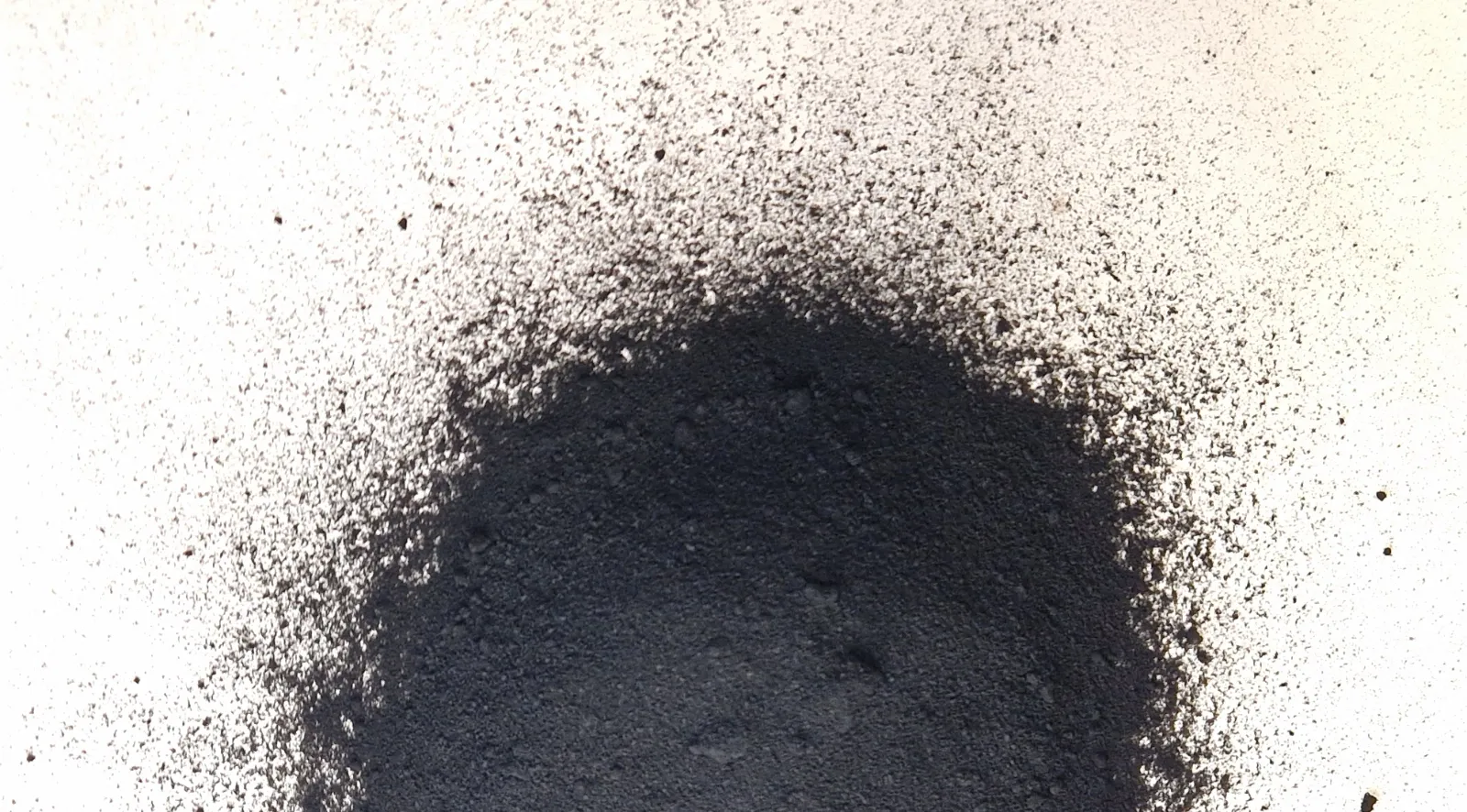
- The solid carbon, for example carbon black, is a second product that can be sold.
The reaction
One molecule of methane, two of hydrogen, one atom of carbon.
Methane (CH₄), the main component of natural gas and biogas, is a very stable molecule. Without a catalyst it only breaks apart quickly above about 1,000°C. Heated in the absence of oxygen, it splits into hydrogen gas and solid carbon; nothing is burned, so no CO₂ forms.
By mass, 4 kg of methane give 1 kg of hydrogen and 3 kg of carbon. The reaction absorbs about 75 kJ per mole of methane, roughly 5 kWh per kilogram of hydrogen in theory. Splitting water by electrolysis needs about 39 kWh per kilogram in theory, and more in practice.
CH₄ → C + 2H₂
3 kg
Carbon per kg of H₂
4 kg of methane → 1 kg of hydrogen + 3 kg of carbon
≈5 kWh
Per kg of H₂, in theory
vs ≈ 39 kWh to split water
0 kg
Direct CO₂
the carbon leaves as a solid
1,000°C+
Without a catalyst
a plasma arc runs above 3,000°C
Compared
Three ways to make hydrogen from methane or water.
Most hydrogen today comes from steam methane reforming, which releases the carbon of the methane as CO₂. Pyrolysis keeps that carbon solid.
| Steam methane reforming (SMR) | Water electrolysis | Methane pyrolysis | |
|---|---|---|---|
| Feedstock | Natural gas and steam | Water and electricity | Natural gas, biogas or flare gas, and heat (electricity in a plasma process) |
| Overall reaction | CH₄ + 2H₂O → CO₂ + 4H₂ | 2H₂O → 2H₂ + O₂ | CH₄ → C + 2H₂ |
| By-product | CO₂ | O₂ | C (3 kg per kg of H₂) |
| Direct CO₂ | About 10 kg per kg of H₂, including the gas burned for heat | None | None |
| Energy for the reaction | Mostly from burning part of the gas | ≈39 kWh/kg of H₂ in theory, more in practice | ≈5 kWh/kg of H₂ in theory; HyPlasma® uses up to 3× less electricity than electrolysis |
| Colour of hydrogen | Grey (blue with CO₂ capture) | Green with renewable power, pink with nuclear | Turquoise |
Theoretical energies: standard reaction enthalpies (methane pyrolysis +74.8 kJ/mol CH₄; water splitting 285.8 kJ/mol H₂, higher heating value). Real plants need more, to heat the gas and cover losses.
Technologies
Four ways to bring the heat.
Every methane pyrolysis process has to deliver a lot of heat to the gas, without oxygen, and get the solid carbon out. They differ in how they do it.
Thermal reactors
Methane is heated in a hot reactor without a catalyst. Simple in principle, but the walls must withstand high temperatures and carbon can foul them.
Catalytic processes
A metal or carbon catalyst lowers the temperature needed, but the carbon produced gradually covers the catalyst, which then has to be regenerated or replaced.
Molten metal or salt
Methane bubbles through a bath of molten metal, such as tin, or salt. The bath transfers the heat and the carbon floats to the surface.
Plasma
A microwave, DC or AC plasma supplies the heat electrically. The plasma is very hot, rich in free radicals that speed up the reaction, and its power can be controlled precisely.
With a plasma torch
How HyPlasma does it.
HyPlasma is the Plenesys' methane pyrolysis process. Its three-phase AC plasma torch sits on top of the reactor; methane is injected and meets the plasma, above 3,000°C, where the moving arc also mixes the gas.
A filter then separates the solid carbon from the hydrogen and a screw conveyor carries the carbon out. The hydrogen-rich gas is stored, or purified first if the application needs it.
- 100 kW containerised unit: 7 kg/h of hydrogen and 21 kg/h of solid carbon
- 2 MW plant: 140 kg/h of hydrogen and 380 kg/h of solid carbon
- Natural gas, biogas or flare gas, 1–6 barg
The other product
What happens to the carbon?
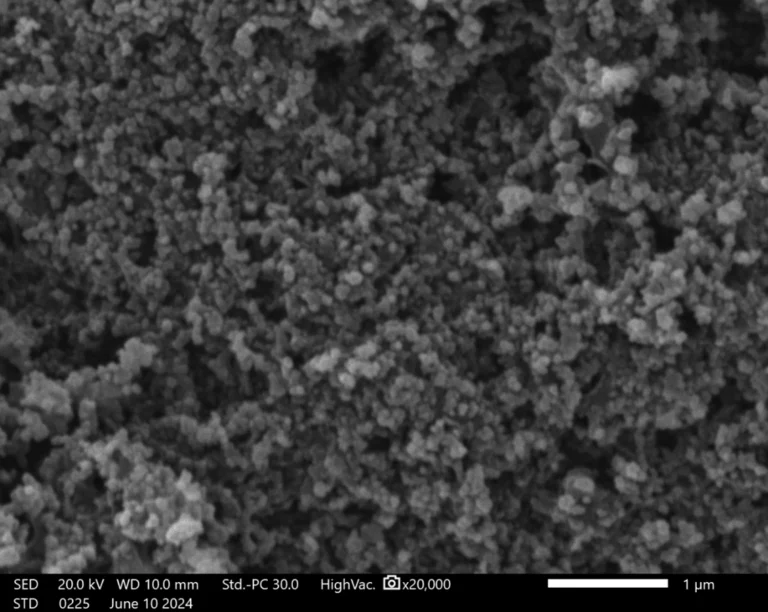
For every kilogram of hydrogen, methane pyrolysis makes about three kilograms of solid carbon. Instead of a waste to manage, it is a material with a market: carbon black, used in tyres, rubber, plastics and inks, is mostly made today by burning oil products.
On the HyPlasma demonstrator, Plenesys has produced carbon black matching several ASTM grades, from N1XX to N5XX, by adjusting the process conditions. Selling the carbon lowers the cost of the hydrogen.
Feedstocks
Which gas can be used?
Natural gas
The most available feedstock: low-carbon hydrogen made on site, from the gas network you are already connected to.
Biogas and biomethane
Methane from agricultural waste or wastewater treatment, turned into hydrogen and carbon instead of being burned.
Flare gas
Associated gas that oil and gas sites often flare: pyrolysis turns it into products instead of CO₂.
Questions
Frequently asked questions
What is turquoise hydrogen?
Hydrogen made by methane pyrolysis. The colour code describes how hydrogen is produced: grey from steam reforming, blue when the CO₂ is captured, green from electrolysis with renewable power, pink with nuclear power, and turquoise from pyrolysis, where the carbon ends up solid.
Is hydrogen from methane pyrolysis low-carbon?
The reaction itself emits no CO₂. The overall footprint also depends on the methane supply chain and on how the electricity or heat is produced; with biomethane and low-carbon power, it is very low.
How much hydrogen and carbon does it produce?
From the reaction stoichiometry, 4 kg of methane give 1 kg of hydrogen and 3 kg of carbon. The HyPlasma 100 kW unit produces 7 kg/h of hydrogen and 21 kg/h of solid carbon.
Does methane pyrolysis use less electricity than electrolysis?
Yes. In theory, splitting methane needs about 5 kWh per kilogram of hydrogen against about 39 kWh to split water. In practice, HyPlasma uses up to three times less electricity than electrolysis.
What temperature does methane pyrolysis need?
Without a catalyst, methane only splits quickly above about 1,000°C. Catalysts work at lower temperatures; a plasma arc supplies heat above 3,000°C.
Why use plasma for methane pyrolysis?
The heat comes from electricity, so no fuel is burned; the plasma is rich in free radicals that speed up the reaction; and it gives a very high, controllable heat density that ordinary heating cannot reach.
Test methane pyrolysis on your gas.
Run your own gas on our 100 kW pilot and leave with measured hydrogen yields, carbon grades and energy per kilogram. New to plasma? Read how a plasma torch works.