
SECTORS · HYDROGEN PRODUCTION
Low-carbon hydrogen, at a competitive price.
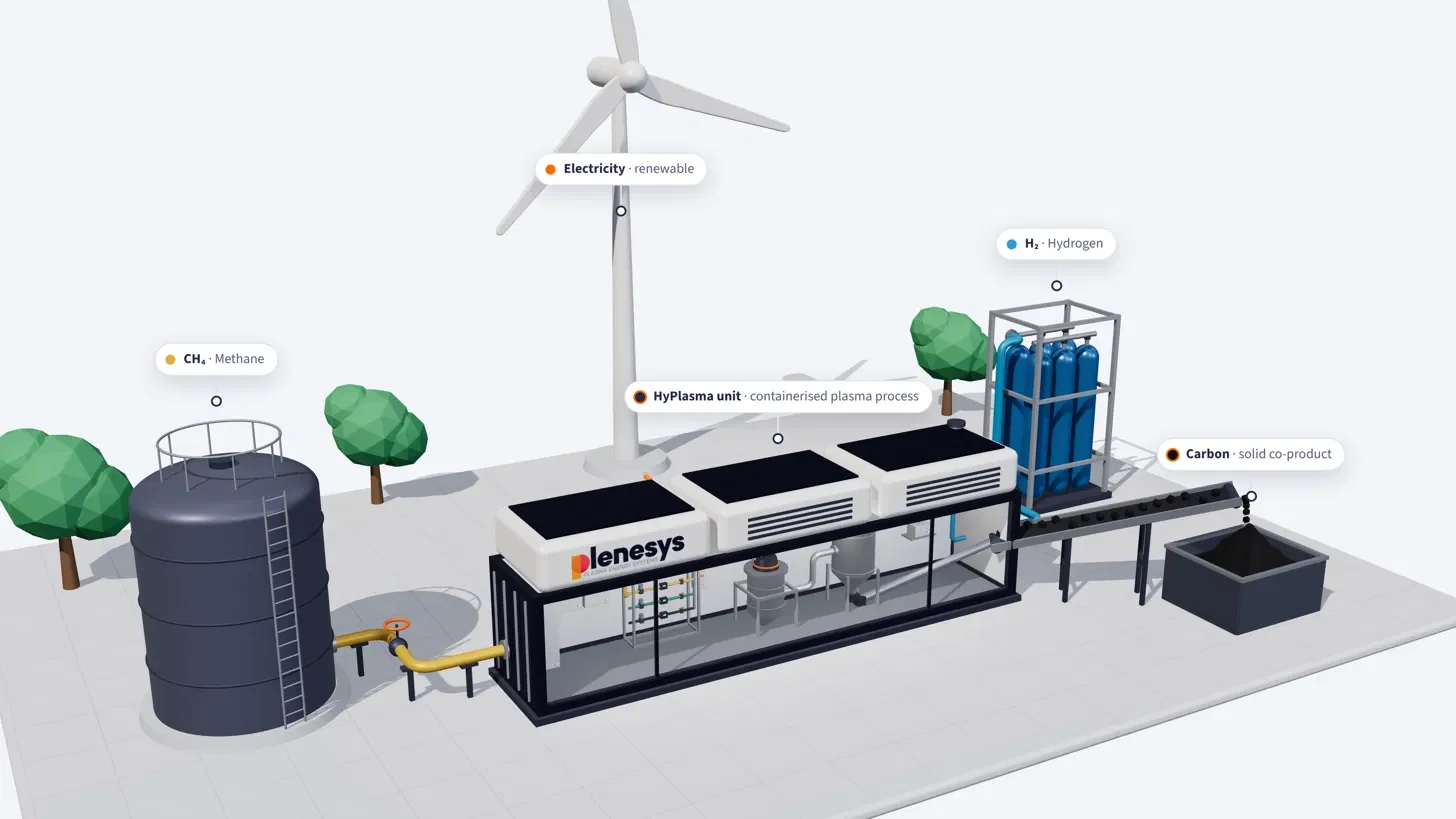
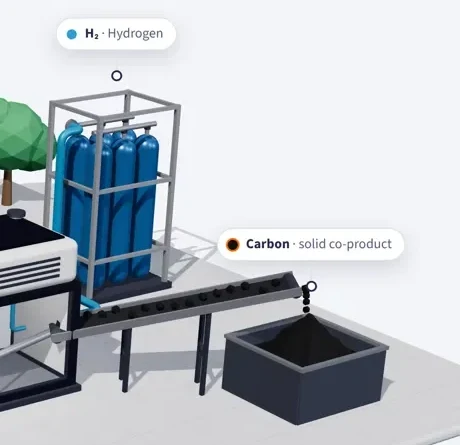
HyPlasma® separates methane molecules into hydrogen and solid carbon — a plasma-based route to hydrogen with no direct CO₂ emissions, and solid carbon recovered in multiple marketable forms.
Up to 3x
Less electricity than electrolysis
per kilogram of hydrogen
0 kg CO₂
Direct emissions
no combustion, no oxidation
7 kg/h H₂
100 kW unit
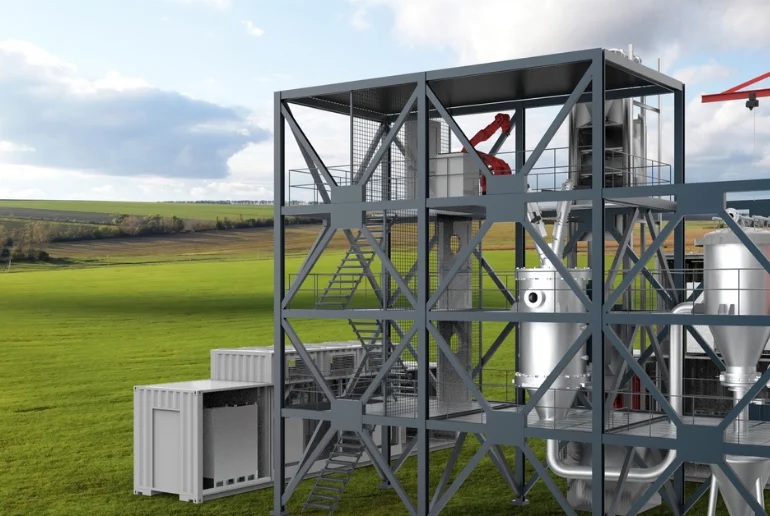
59 tonnes a year, containerised
140 kg/h H₂
2 MW plant
1,190 tonnes a year
How it works
CH₄ → 2 H₂ + C. No combustion, so no CO₂.
The plasma arc splits methane directly into hydrogen and solid carbon. Unlike steam reforming, nothing is burned or oxidised.
1
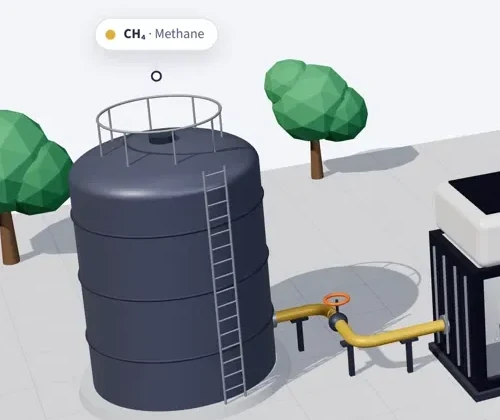
(Bio)methane in — natural gas, biogas or flare gas, 1–6 barg.
2
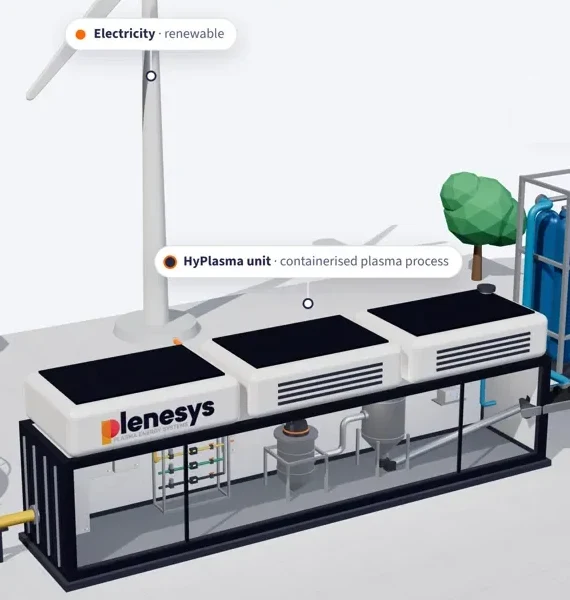
Three-phase plasma arc — above 3,000°C; the arc mixes the gas, no oxygen is involved.
3
Hydrogen and solid carbon out — two valuable products, zero direct CO₂.
1
(Bio)methane in — natural gas, biogas or flare gas, 1–6 barg.
2
Three-phase plasma arc — above 3,000 °C; the arc’s motion mixes the gas, no oxygen involved.
3
Hydrogen and solid carbon out — two valuable products, zero direct CO₂.
APPLICATIONS
Four places where HyPlasma hydrogen fits.
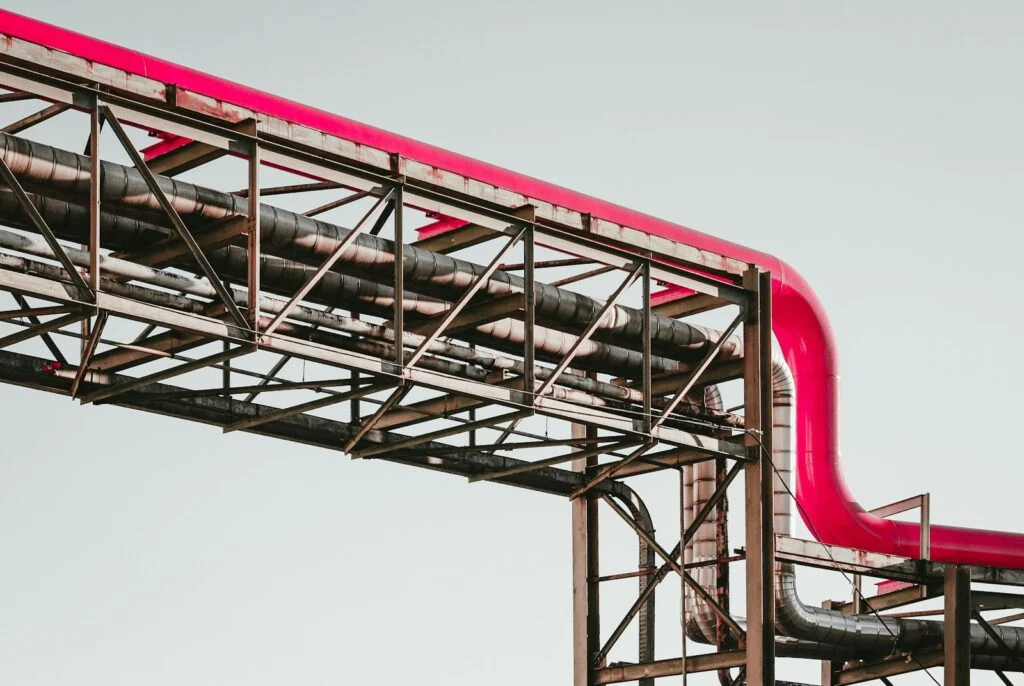
Oil and gas — eliminating flaring
On oil and gas sites, associated methane is often flared due to unstable composition or lack of infrastructure. HyPlasma converts this methane into hydrogen and solid carbon via plasma pyrolysis, avoiding direct CO₂ emissions and transforming a liability into valuable low-carbon products.
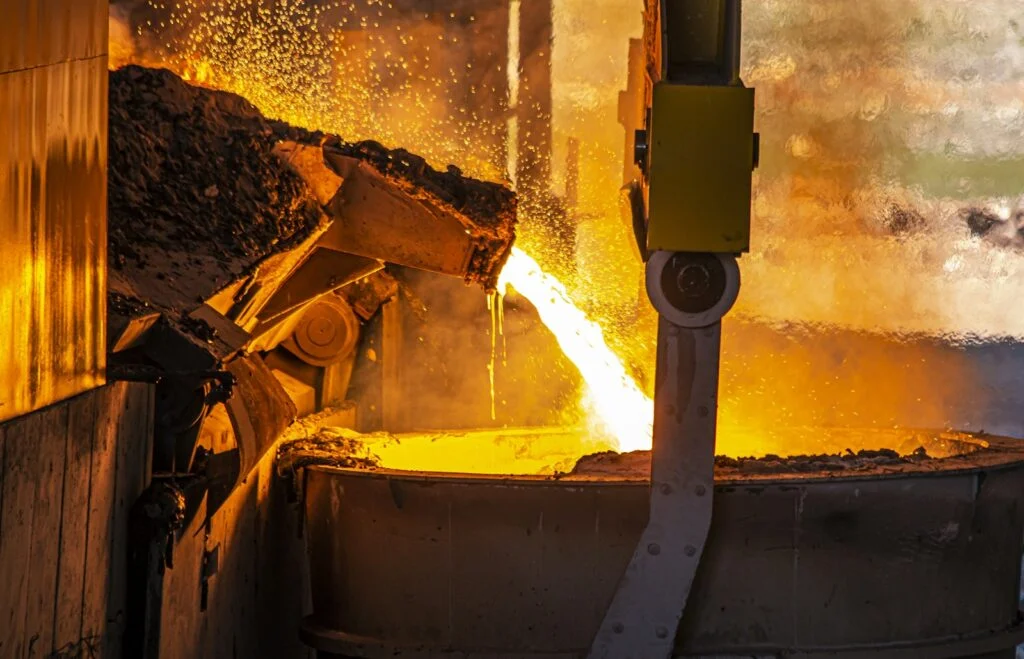
Steel and metals — supplying clean hydrogen
HyPlasma supports the transition toward low-carbon steelmaking by supplying hydrogen suitable for Direct Reduction of Iron (DRI) and hybrid processes. Replacing fossil-based reducing agents cuts emissions, while the solid carbon co-product can be valorised.
Chemicals, ammonia and synthetic fuels
Hydrogen generated by HyPlasma can serve as feedstock for ammonia synthesis, methanol production and other chemical processes. It also supports synthetic fuel pathways — an alternative to hydrogen from conventional reforming, without the associated direct CO₂.
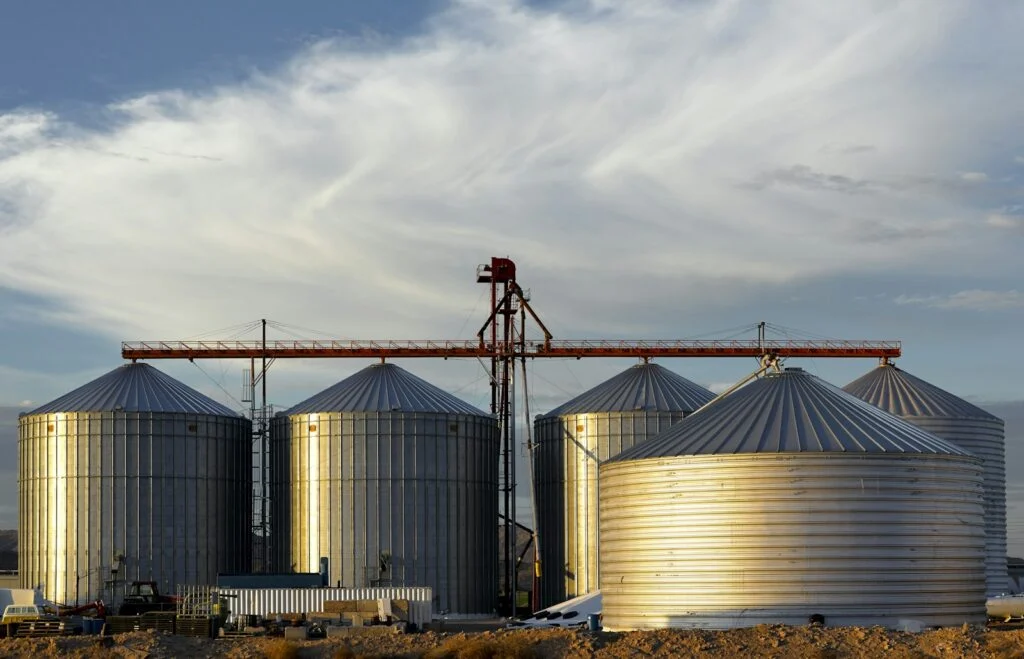
Biogas and renewable gas upgrading
The technology is compatible with biogas and other renewable methane streams. Converting methane from agricultural waste or sewage treatment into hydrogen and solid carbon supports circular-economy models while cutting the emissions of conventional biogas combustion.
THE UNIT
HyPlasma Tech, in two sizes.
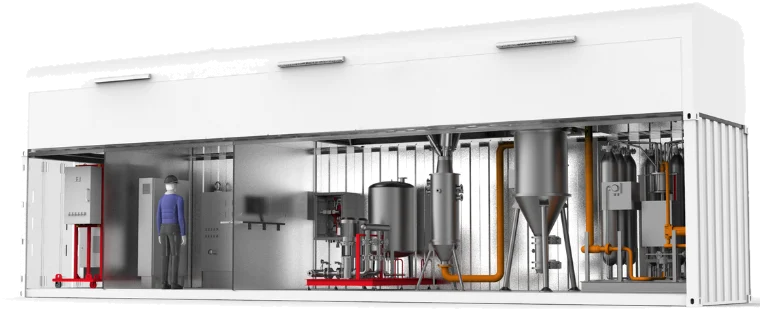
HyPlasma Tech
Clean production of hydrogen and carbon black: modular turnkey units fed with (bio)methane, with no direct CO₂.
- 100 kW containerised unit · 2 MW plant
- Natural gas, biogas or flare gas, 1–6 barg
- Up to 3× less electricity than electrolysis
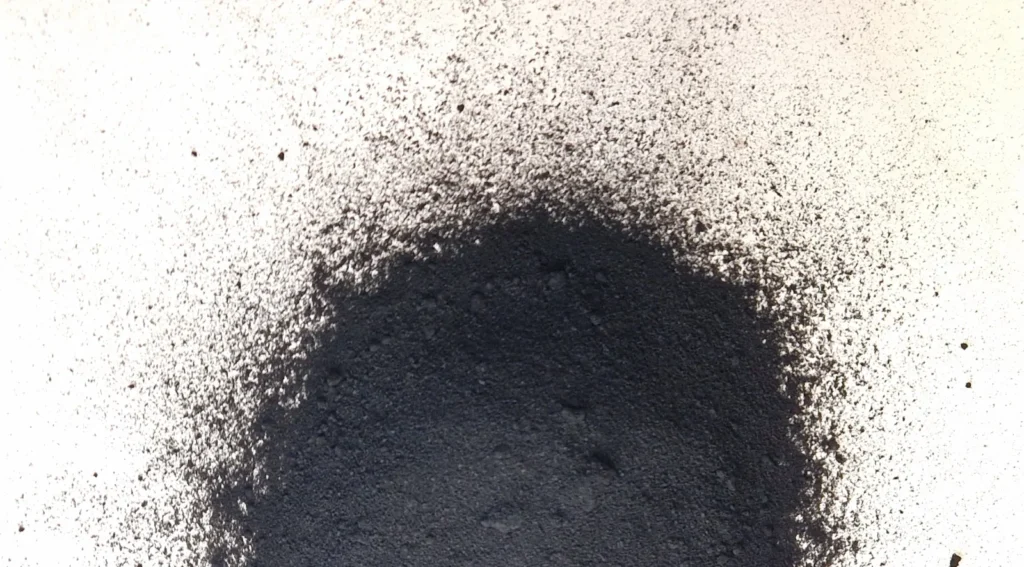
Sectors
Carbon production
The co-product that pays for the hydrogen.
Services
Pilot testing
Yields and energy per kg of H₂ measured on your gas.